01
Explore with a Direction and a Return Point
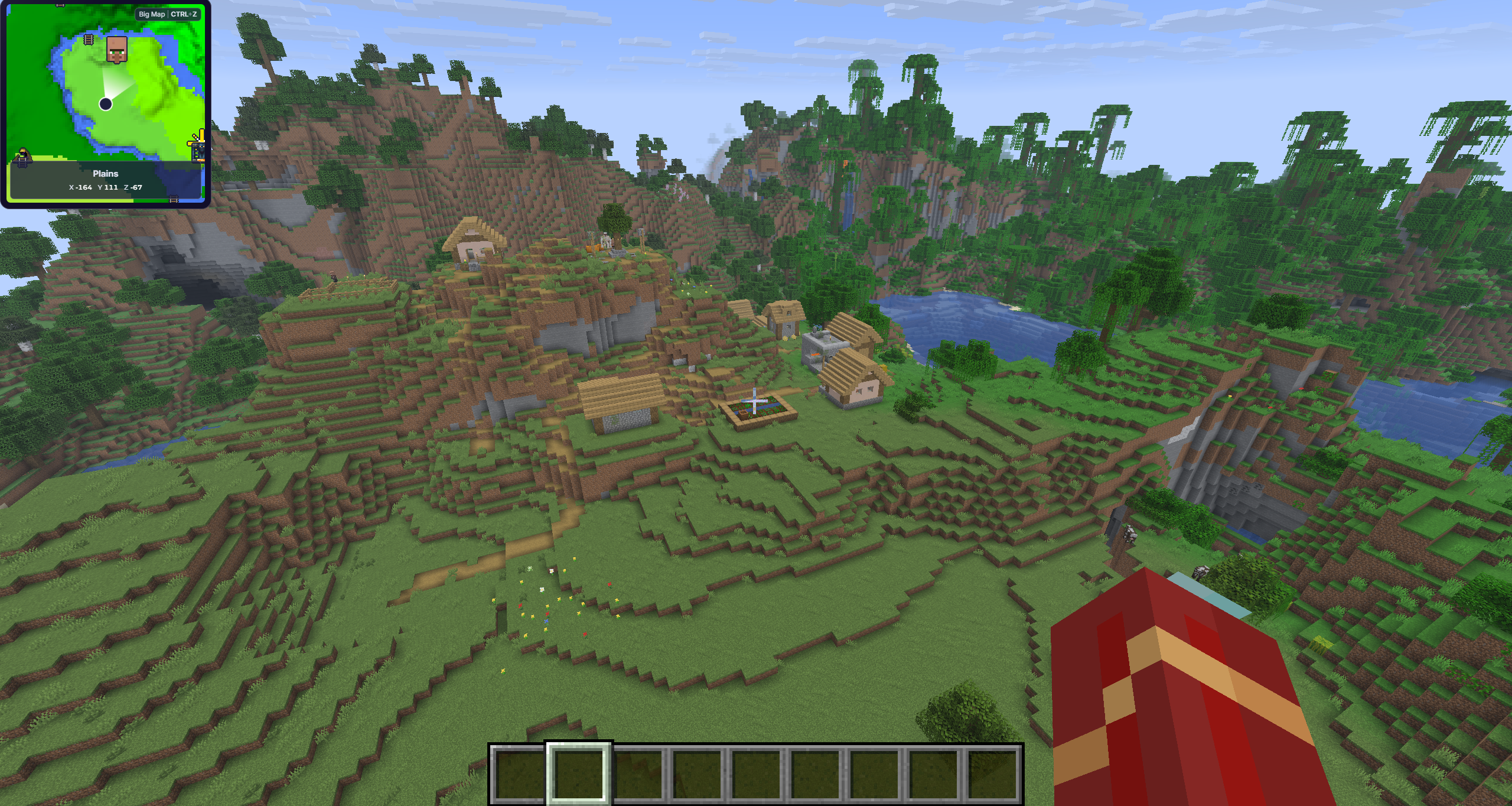
Before leaving a base, record its coordinates and choose a direction. Consistent travel makes it easier to understand which terrain you have already searched and how to return safely.
02
Read Environmental Clues
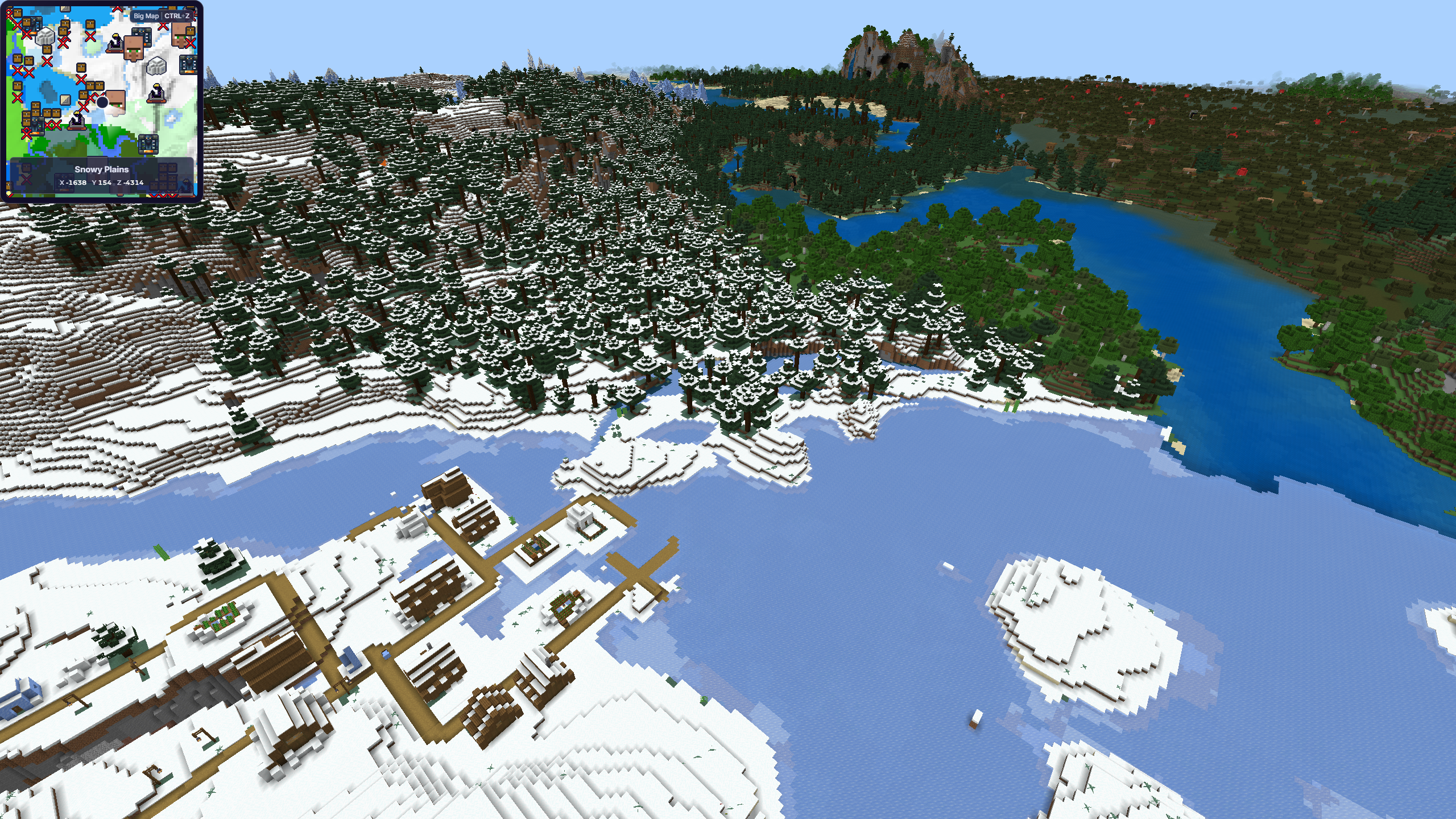
Terrain shape, vegetation, block colors, weather, and elevation often signal that a different biome is nearby. A high viewpoint can reveal transitions that are difficult to notice at ground level.
03
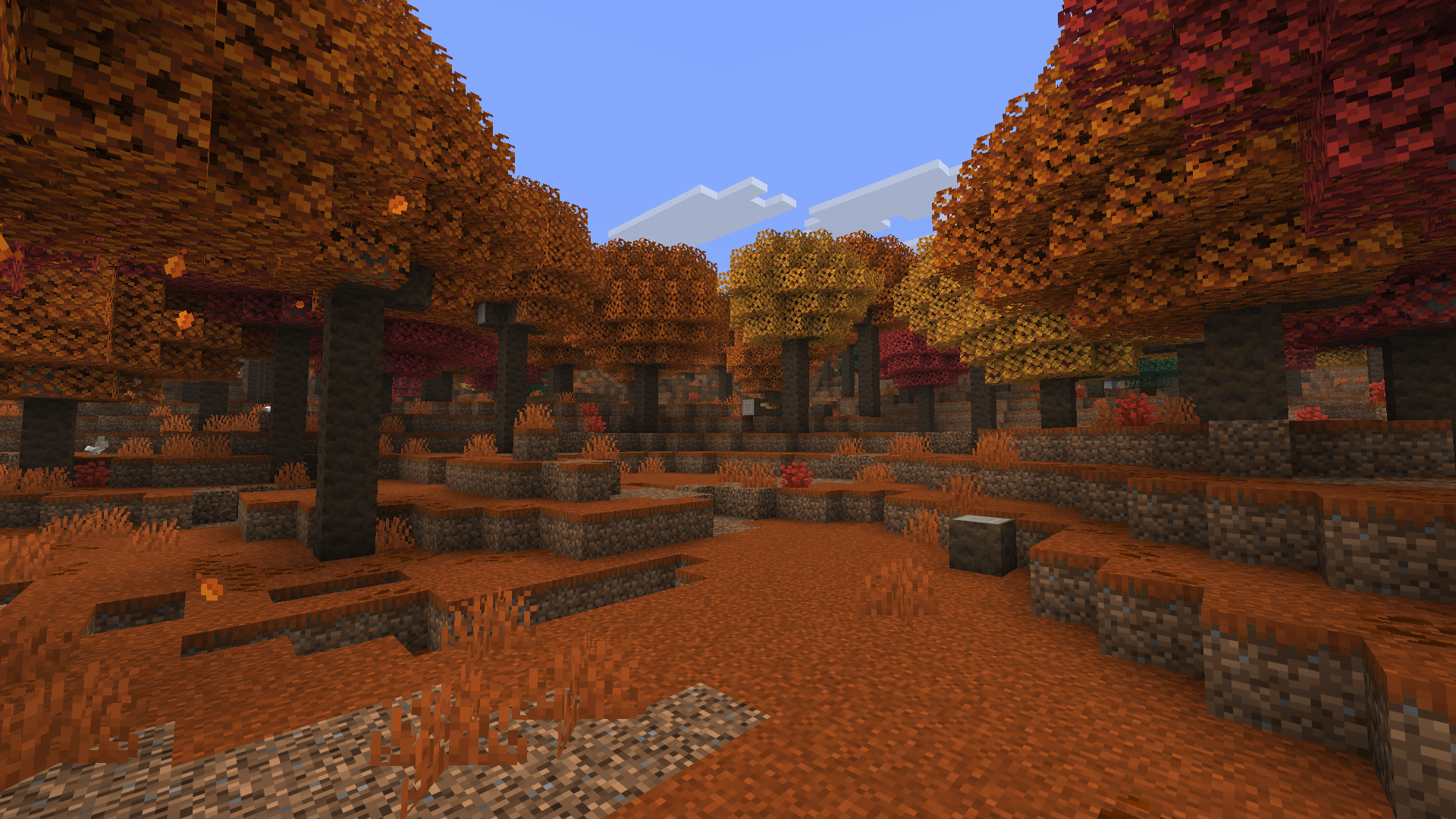
Know the New Biomes Worth Looking For
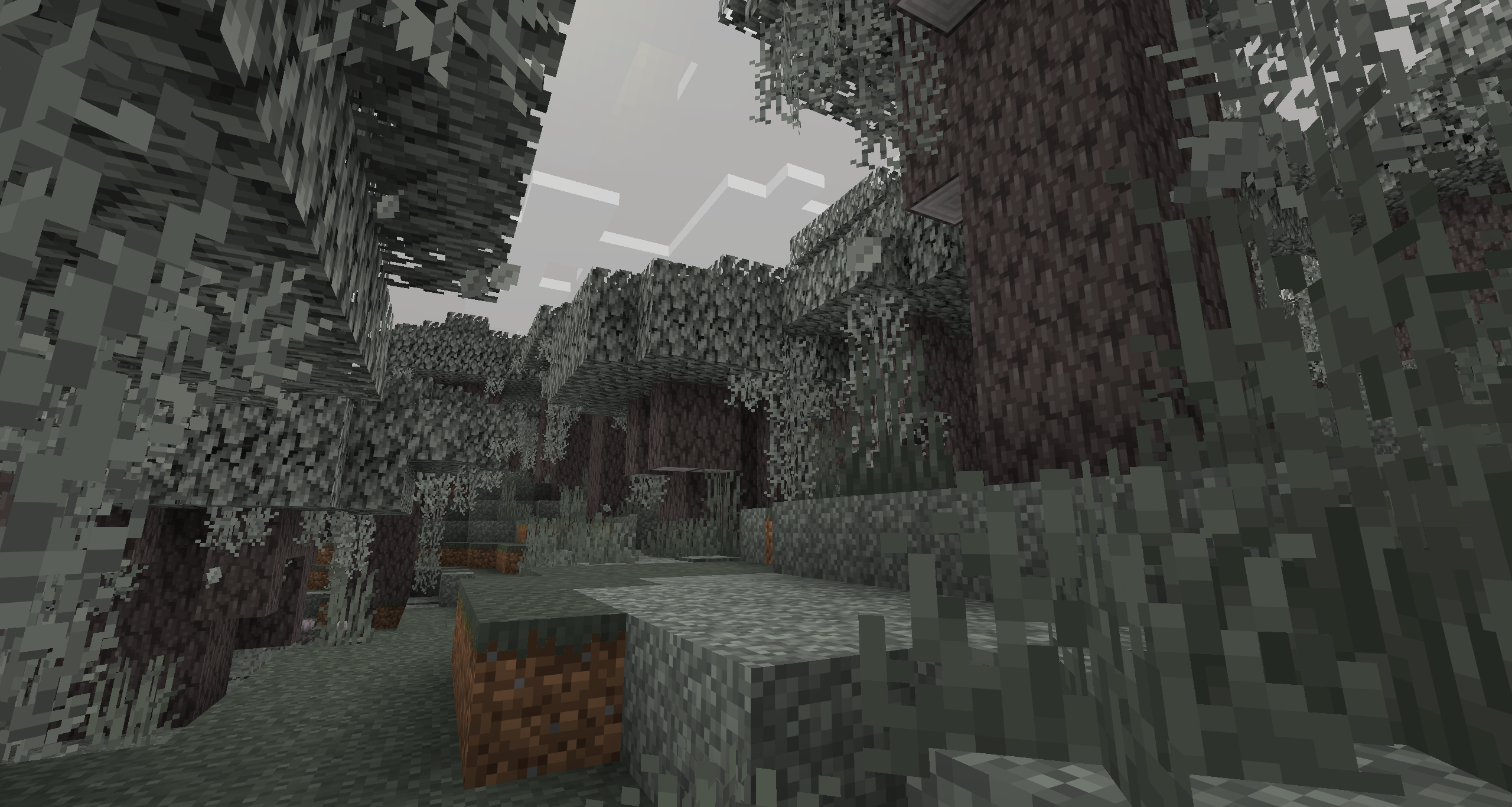
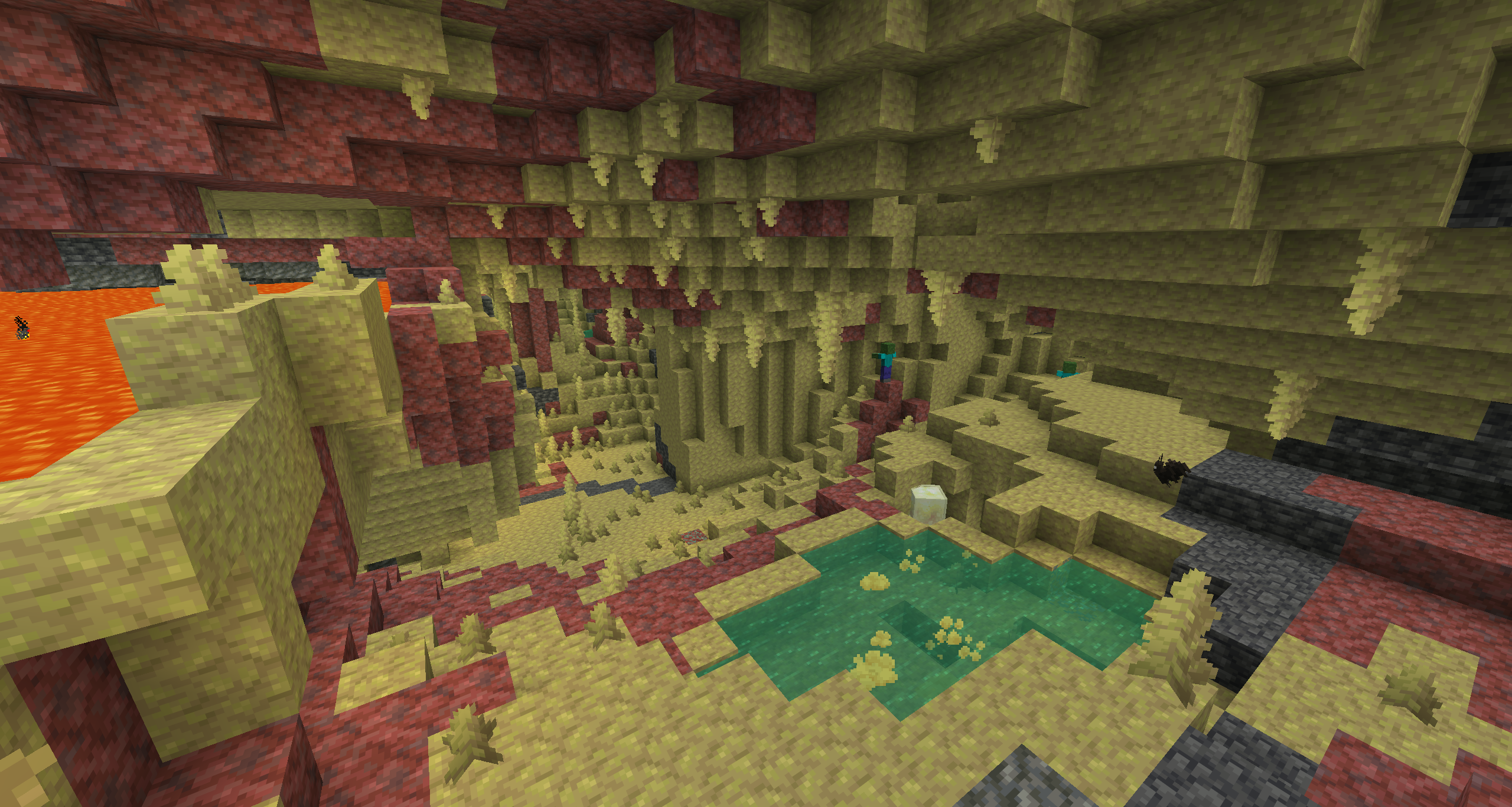
Minecraft's biome list keeps growing, because apparently the Overworld had not yet provided enough reasons to abandon your half-finished base.
04
Use Commands Only When They Fit Your World
Players with the appropriate permissions may use Minecraft commands to locate some biomes. Commands are not available or desirable in every survival world, so exploration and mapping remain useful.
05
Choose the Biome on MineyMap
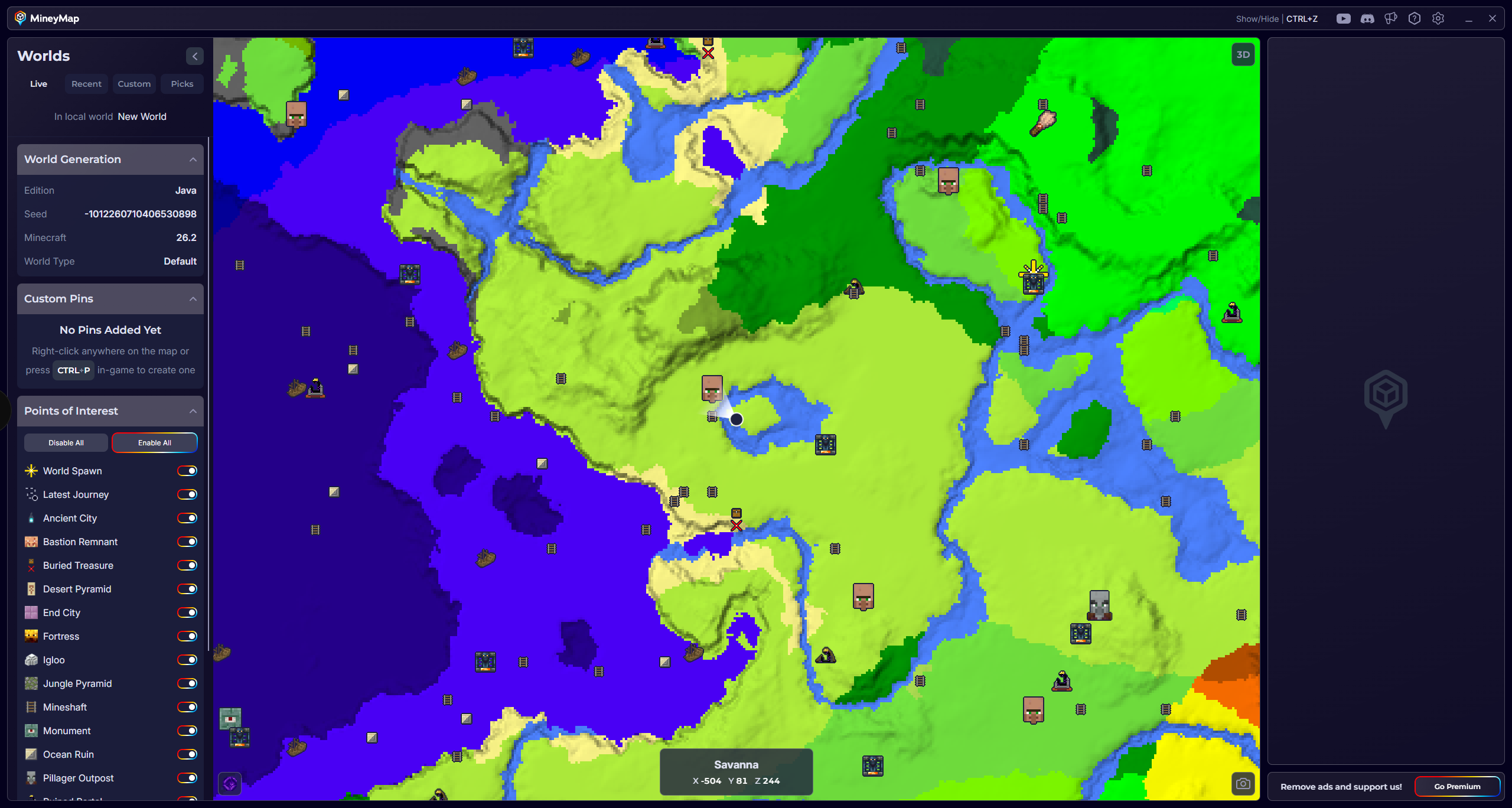
Instead of searching one horizon at a time, use MineyMap to find the biome you want and choose an area to visit. The full world map shows that terrain in relation to your current position before you commit to the journey.
06
Follow Your Position as You Travel
Keep MineyMap on a second screen or open it in game. Watch your position update on the full world map or minimap as you travel, and use your XYZ coordinates when you need a precise location.